DHS’s predictive policing is unconstitutional, un-American and should be stopped
Targeting Americans based on what their spending habits can tell us about their politics is an abuse of our financial system, writes Coin Center’s Laz Pieper.
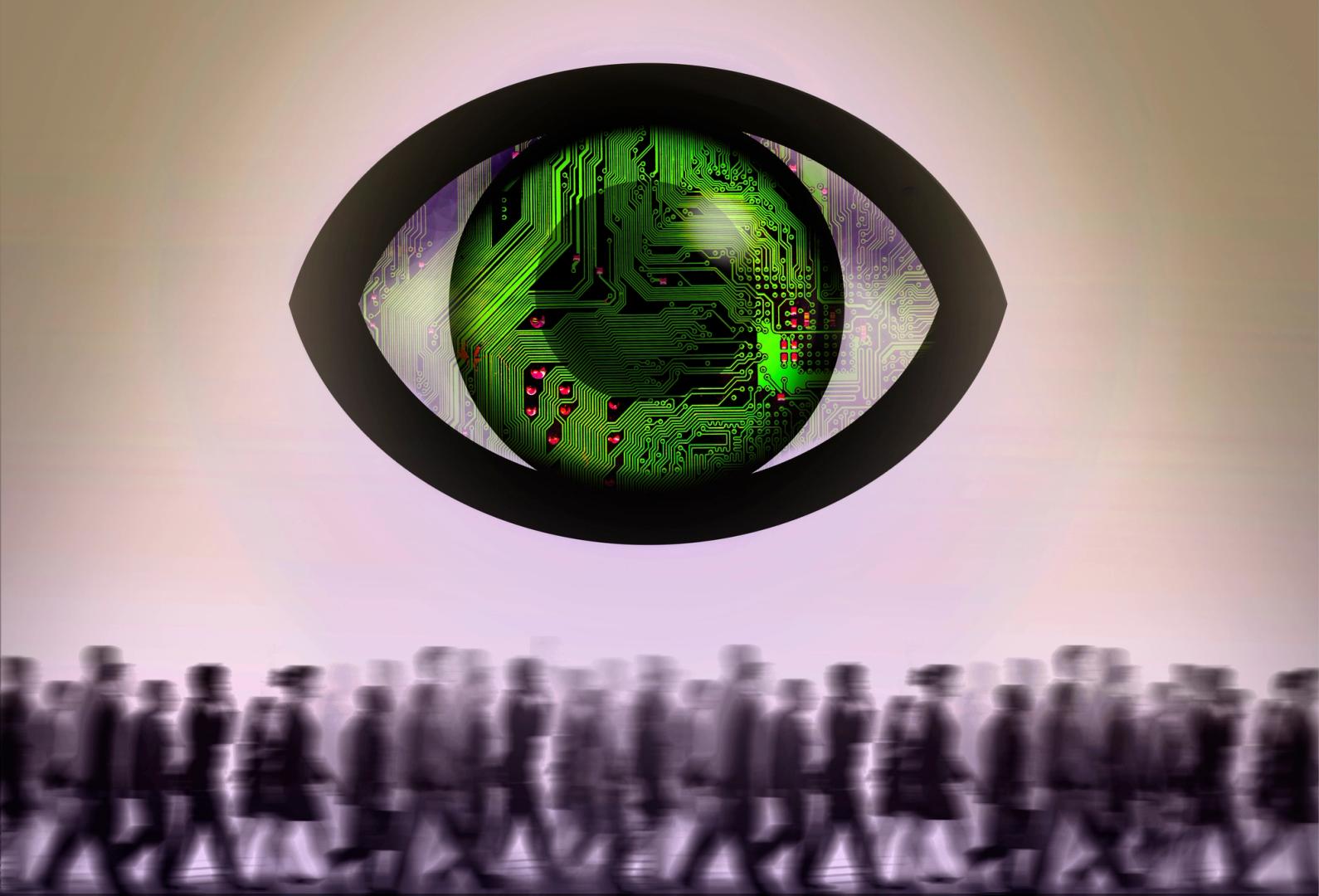
Recent reporting has revealed that the U.S. Department of Homeland Security (DHS) has been aggregating data of Americans’ financial activities to analyze and then provide local law enforcement with tips on potential criminals. This practice — known as predictive policing — is inherently authoritarian. It completely depends on mass surveillance to aggregate and analyze enough data to then determine whether or not you could be a criminal in the eyes of the state.
Here’s the problem: information tells a story and says whatever its narrator wants it to say, which is then used to justify subsequent actions. The state — as the collector of your data — is the narrator of your story. It determines which dots get connected and which picture gets painted about you. That’s ripe for abuse because anyone can take massive amounts of information and cherry-pick it to convey anything they want and then act on it.
In the words of Cardinal Richelieu, “If you give me six lines written by the hand of the most honest of men, I will find something in them which will hang him.”
However, these practices do not make Americans safer. Far from it. Financial transactions act as confessions about your beliefs, associations, and desires — intimate details that are often the reason for discrimination. This is not a hypothetical. Financial surveillance and censorship have long existed in both Western Democracies and authoritarian regimes to identify and silence political dissidents.